Why “It’s Not in the Budget” Isn’t the Real Issue
In construction, every purchasing decision is carefully examined. Rising labor costs, fluctuating material prices, and tight margins make leaders cautious about adding new software. One of the most common objections we hear to
adopting a construction CRM is simple and familiar: “It’s not in the budget.”
On the surface, this feels like a responsible answer. But for many construction companies, this hesitation is not truly about affordability. It is about uncertainty. And that uncertainty often leads to missed opportunities that quietly cost far more than the software itself.
Familiar Only Feels Safer — But It Slows You Down
It's understandable to have hesitation based on past experiences or unanswered questions. Many teams have tried software that promised results but never gained traction internally. Others feel comfortable with spreadsheets and manual systems that appear to be working, even if they are inefficient.
There is also a common fear of disrupting existing workflows. In an industry driven by deadlines, even small changes can feel risky. However, avoiding change does not remove risk. It simply shifts that risk into lost visibility, inconsistent follow-up, and missed revenue.
The Hidden Cost of Missed Bids and Inconsistent Follow-Up
Construction companies rarely lose money in obvious ways. Instead, losses tend to happen quietly and repeatedly. A bid deadline is missed because it lived in someone’s inbox. A follow-up never happens because ownership was unclear. A promising opportunity goes cold because no reminder was in place.
Individually, these moments may not seem significant. Over time, they compound. Across several months or an entire year, missed bids and forgotten follow-ups can easily outweigh the cost of a construction CRM, even though those losses never appear as a single line item in a budget.
Why Spreadsheets Create Hidden Risk
Spreadsheets feel safe because they are familiar and appear inexpensive. However, they require manual effort and perfect execution. Information must be entered correctly, updated consistently, and shared accurately across the team.
When bid tracking and follow-ups live in spreadsheets, visibility is limited.
Accountability becomes unclear. If someone forgets to update a file, takes time off, or leaves the company, critical information can completely disappear. What feels manageable when the business is small often becomes a liability as bid volume and team size grow.
How a Construction CRM Improves the Sales and Bid Process
A construction-specific CRM centralizes information and creates consistency across the team. Followup CRM was designed by contractors who understand how bids, estimating, and long sales cycles actually work in the real world.
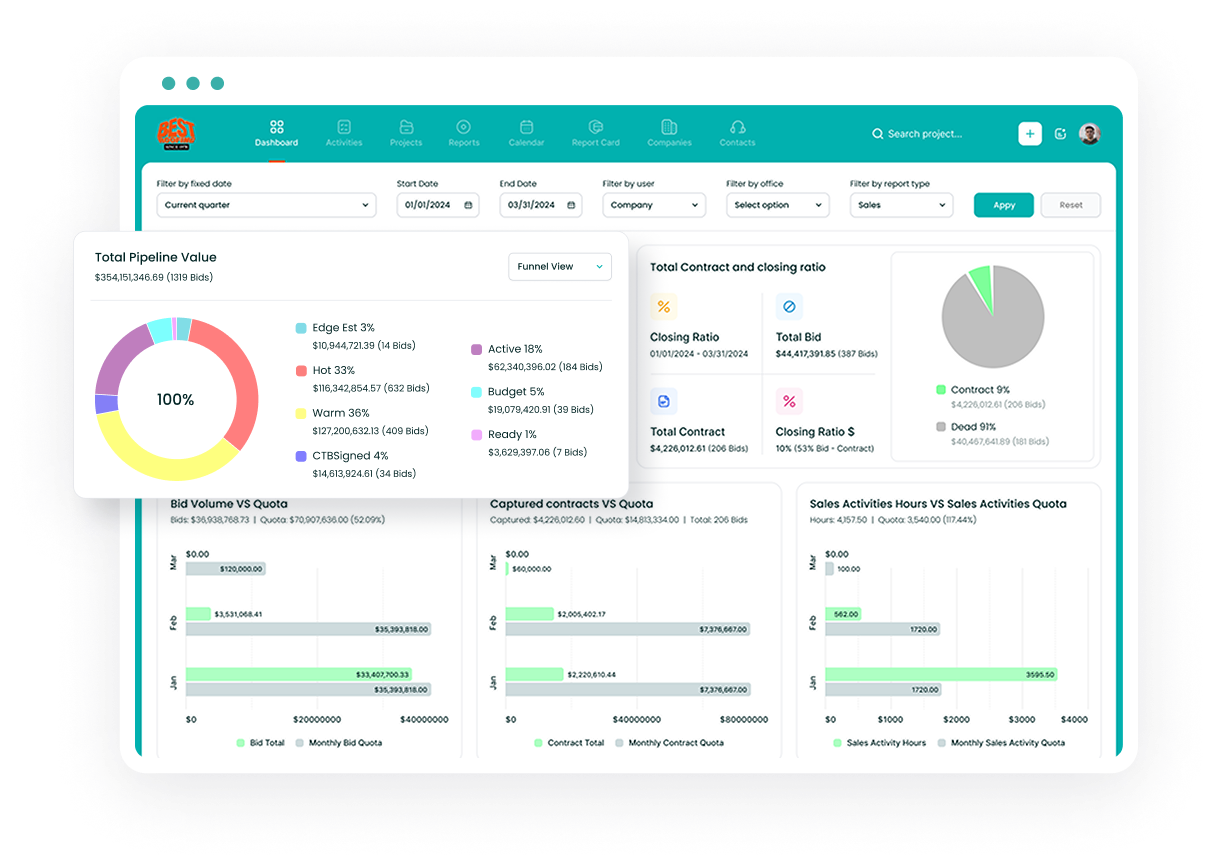
Instead of forcing teams into rigid systems, it supports existing workflows by giving everyone a clear view of what is happening right now and what needs to happen next. Bids, leads, follow-ups, and communication live in one place, making it easier to stay organized and hit deadlines. The result is removing complexity and replacing with clarity.
Key Benefits of a Construction CRM
Your team gains:
- Centralized location for bids, leads, and contacts
- Clear visibility into the sales and bid pipeline
- Automated reminders for follow-ups and deadlines
- Shared accountability across estimating and sales teams
Budget Concerns Versus Return on Investment
The more important question is not whether a CRM fits into the budget, but if your current system is costing the business. Construction CRM software directly impacts close rates, estimator productivity, forecasting accuracy, and team communication.
Winning even one additional project because a follow-up happened on time or a bid deadline was not missed can offset the cost of CRM software for an entire year.
Unfortunately, lost opportunities are difficult to quantify, while software expenses are highly visible. This imbalance often causes companies to underestimate the true cost of staying the same.
Adoption Is the Real Risk, Not the Price
Many construction leaders worry that their team will not adopt another system, turning it into wasted spend. This concern is justified, especially if previous tools were overly complex or not built for construction.
Followup CRM focuses on usability. When software aligns with how contractors already work, adoption becomes far more natural. A CRM that is not used is expensive. A CRM that is used consistently becomes a revenue-driving tool. The difference lies in simplicity and relevance to the industry. Followup CRM has a 99% adoption rate across teams in year one.
Why Waiting Often Costs More Than Acting
Delaying a decision can feel like the safer choice. There is no immediate expense and no disruption to daily operations. However, the same issues continue in the background. Bids still get missed. Follow-ups remain inconsistent. Pipeline visibility stays limited.
In a competitive construction market, standing still often means falling behind companies that have clearer systems and better control over their sales process.
Final Thoughts and Next Steps
Cautionary spending in the construction industry is normal. Yes, every dollar matters. We hope you can take a moment to consider the hidden cost and how visibility, accountability, and follow-through are being sacrificed.
Missed bids, forgotten follow-ups, and unclear pipelines do not appear on a balance sheet, but they directly affect growth and revenue. If your team is already feeling the strain of managing bids through spreadsheets and inboxes, it may be time to evaluate a system designed specifically for construction.
Ready to bid less, win more?



.png)

.png)