The Problem with "Good Enough" Systems
Painting contractors are resourceful. When they don't have a formal sales process, they build one out of whatever's available — spreadsheets, sticky notes, their inbox, their memory. It works until it doesn't.
The trouble isn't just that these makeshift systems easily get disorganized. It's that they're passive. A spreadsheet doesn't send you a reminder to follow up on Thursday. A sticky note doesn't tell you which estimates are still open and which ones have gone cold. And when work picks up, the follow-up is always the first thing to slip.
Anderson Pro Painting was running their sales process this way — and like most contractors, they knew something was off, even if they couldn't always see exactly where the money was walking out the door.
What Shifted
After switching to Followup CRM, Anderson Pro Painting got something they hadn't had before: a clear, consistent process that didn't depend on anyone remembering to do the right thing at the right time.
As Anderson Pro Painting put it:
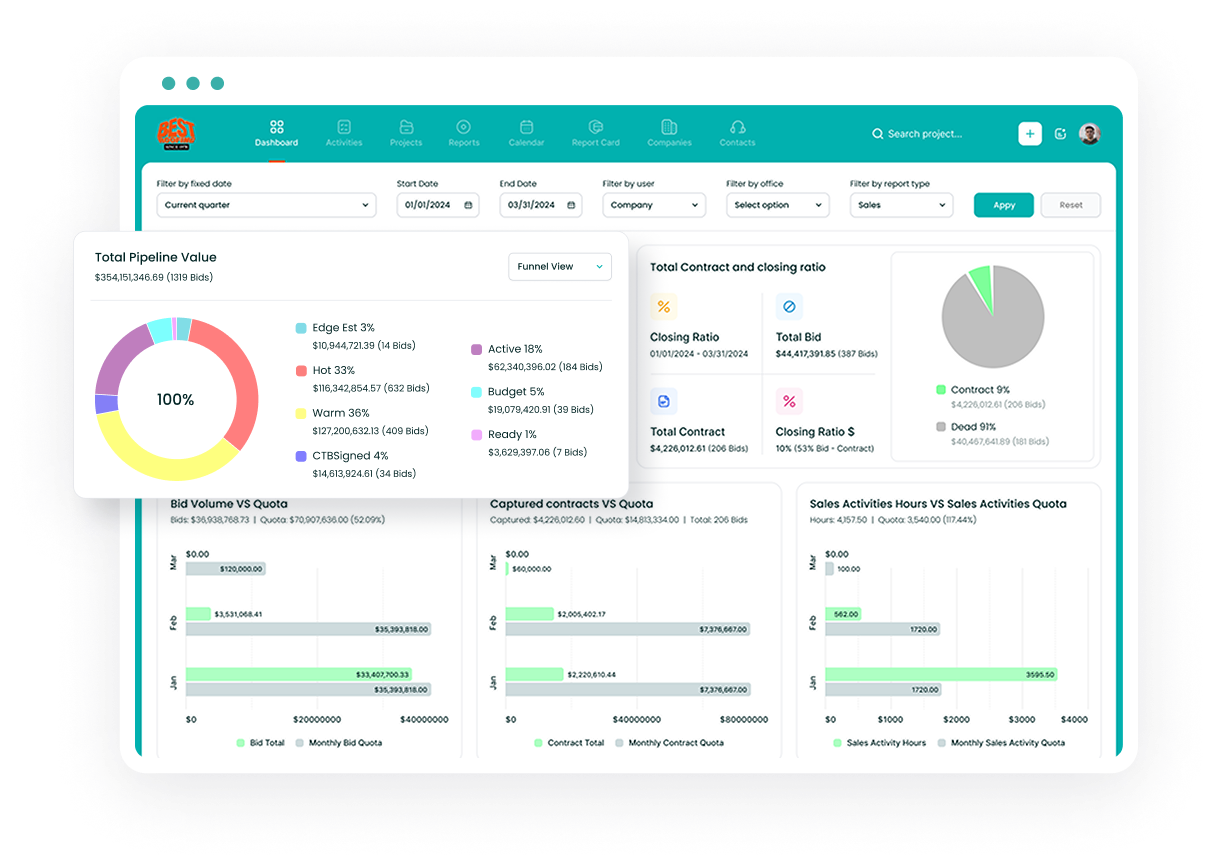
“For the first time, we know exactly how much we're bidding. That was a guessing game before. It's made us look at our pricing because of our closing ratio. It also gives us the ability to see what's going out the door — what our estimators are actually producing. And knowing that our guys are following up after we send a bid out.”
Every lead gets tracked. Every estimate has a follow-up attached to it. When it's time to reach back out to a prospect, the system surfaces it automatically — no digging through a spreadsheet, no hoping a sticky note didn't get lost.
The result is a team that can stay organized even when things get busy, because the CRM is doing the work of keeping the pipeline visible. Leads don't fall through the cracks because the cracks have been sealed up.
The Bigger Picture
What Anderson Pro Painting's story illustrates is something we've seen play out with painting contractors again and again: the biggest revenue opportunity isn't always finding more leads. Often, it's closing the ones you already have.
Most contractors are better at generating interest than they are at following through on it — not because they're careless, but because they don't have a system that makes follow-through automatic. When you add that structure, the jobs that were already in the pipeline start closing at a higher rate. The math takes care of itself.
Anderson Pro Painting is a good example of what that looks like in practice — a team that was already doing good work, now doing it with a process that makes sure nothing slips.
Watch their full testimonial here: Anderson Pro Painting Testimonial



.png)

.jpeg)
.png)